Why Rat Trapping and Sealing Is the Most Effective Long-Term Rat Control Strategy
After years of chasing rats from one end of a property to the other, I have come to a simple conclusion: poison alone will not solve a rat problem, and neither will a single trap set in the corner of a garage. The only approach that actually breaks the cycle is a combined method of rat trapping and sealing. It is not glamorous work, but it works. I have seen it play out in basements, crawl spaces, and attics across Cleveland TN, and the results speak for themselves.
Rats are driven by two things: food and shelter. If you remove their access to either, they move on or die trying to get in. Trapping knocks down the active population, but sealing keeps new rats from taking their place. That is the fundamental trade-off. You can kill fifty rats in a month, but if you leave the entry points open, fifty more will find the same hole by the next full moon.
Understanding How Rats Enter a Home
Rats do not need a grand entrance. A gap the size of a quarter is enough for a young rat, and an adult rat can squeeze through a hole the diameter of a half dollar. That reality shapes everything about rodent exclusion. The most common entry points I have found in homes around Cleveland TN are along foundation walls, where utility lines enter the structure, around garage door seals, and through gaps left by deteriorating vent covers. Attics are another favorite route, especially where roofing materials have pulled away from the fascia board.
Identifying these entry points is the first step in any serious rat control plan. You have to get on your hands and knees with a flashlight and look. I do not mean a quick glance. I mean crawling the perimeter, checking behind bushes, and peering into dark corners. It is tedious, but skipping this step means you are guessing, and guessing is expensive.
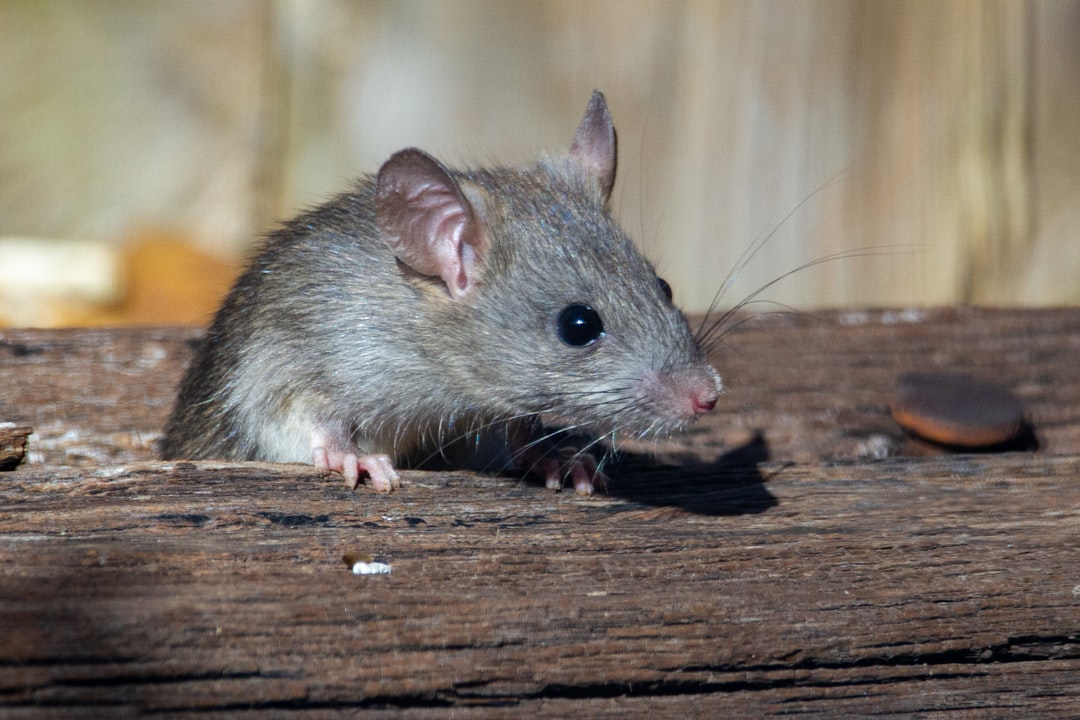
The Role of Trapping in Population Control
Once you know where the rats are coming from, trapping becomes a targeted operation. Snap traps remain the gold standard for active infestations. They are fast, humane when placed correctly, and they do not leave chemical residues that might harm pets or children. I have used glue boards in specific situations, such as along wall voids where a snap trap cannot fit, but I always pair them with frequent checks. A glue board left unattended for days is not a solution. It is a slow death for the animal and a sanitation problem for the homeowner.
For larger infestations, I sometimes use mouse bait stations placed near runways, but I never rely on rodenticides alone. Rodenticides carry risks of secondary poisoning for pets and wildlife, and they do nothing to address the structural weaknesses that let rats in. That is why integrated pest management, or IPM, stresses a combination of methods. Trapping, when done as part of a broader plan that includes sealing, gives you a measurable result. You see the bodies. You know the count.
Sealing: The Structural Side of the Equation
Sealing is where the real longevity of rat control lives. Rat trapping and sealing, done together, create a one-two punch that most DIY rat control efforts miss. Homeowners often buy a few snap traps, catch one or two rats, and assume the problem is solved. Meanwhile, the original hole in the foundation is still open, and the scent trails left by the dead rats attract newcomers. Sealing closes that loop.
I use a combination of metal mesh, copper wool, and high-grade sealant to close entry points. Copper wool is especially useful because rats will gnaw through standard steel wool, but copper wool is too tough and does not rust. I stuff it into gaps and cracks around pipes, then cover it with a bead of sealant. For larger holes, I cut metal mesh to fit and screw it into place. This is not a cosmetic fix. It is a physical barrier that rats cannot chew through.
Garage door seals are another common weak point. A rubber stopper or a brush seal installed along the bottom of the garage door can stop rats from walking right in. Door sweeps on exterior doors do the same thing. I have also replaced dozens of vent covers that were corroded or missing entirely. These details seem small, but they add up to a complete perimeter defense.
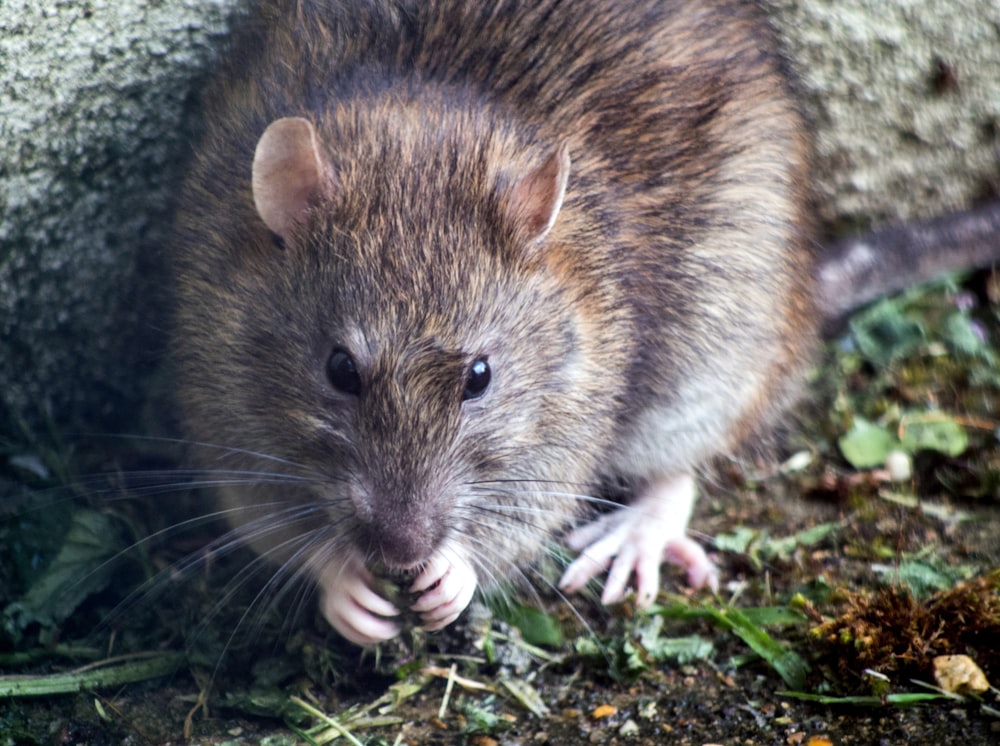
Sanitation and Habitat Modification
Trapping and sealing are most effective when paired with basic sanitation. Rats are opportunistic feeders. If you leave pet food out overnight, keep a compost pile uncovered, or store bird seed in a flimsy plastic bag, you are inviting them in. I tell my clients to store all food and waste in metal containers with tight lids. It is a simple change, but it reduces the incentive for rats to test your new seals.
Yard maintenance also matters. Overgrown shrubs, stacked firewood against the house, and debris piles all provide harborage. Rats feel safe moving through dense vegetation. Clearing a buffer zone of at least three feet around the foundation removes that cover. This is not about landscaping aesthetics. It is about making your home the least attractive option on the block.
Common Mistakes in DIY Rat Control
I have seen plenty of well-intentioned efforts go wrong. The most common mistake is placing traps without first sealing entry points. You trap the rats that are inside, but new ones keep coming in from outside, and you end up in an endless cycle of trapping. Another mistake is using too few traps. Rats are wary of new objects. If you set only one trap, they may avoid it entirely. Setting multiple traps along runways increases your odds.
A third mistake is neglecting to check and maintain seals over time. Weather changes, foundations settle, and new gaps can appear. A seal that was perfect in July may have pulled loose by January. I recommend walking the perimeter of your home twice a year with a flashlight and a tube of sealant. It takes an hour and can save you hundreds in pest control costs.
When Professional Help Makes Sense
There are situations where DIY rat control is not enough. If the infestation is large, if the rats have nested inside walls or under a slab foundation, or if you cannot safely access the attic or crawl space, it is time to call a professional. Companies like Hiwassee Pest Control in Cleveland TN specialize in rodent exclusion and structural repairs. They have the tools and experience to identify hidden entry points and seal them in ways that most homeowners cannot replicate on a weekend.

Professional services also bring a level of accountability. A good company will return to check traps, replace bait, and inspect seals until the problem is resolved. That guarantee is worth the cost when you are dealing with an infestation that threatens your home's wiring, insulation, and your family's health.
Final Thoughts on Rat Trapping and Sealing
The combination of rat trapping and sealing is not a quick fix. It takes time, patience, and a willingness to get dirty. But it is the only method I have seen that delivers lasting results. Trapping removes the active rats, and sealing prevents the next generation from moving in. Together, they form the backbone of any effective rodent control strategy. Whether you choose to do it yourself or hire a professional, the principle remains the same: close the door and clear the room.